Pet waste is not just a homeowner problem. Apartment complexes, condo associations, dog parks, and commercial properties all face it at scale, and unmanaged waste creates liability, complaints, and health hazards. If you manage a property in 2026, a solid pet waste strategy is essential. Here is how the pros handle commercial-grade cleanup.
Why Commercial Pet Waste Management Is Different
A single-family yard has one or two dogs. A 200-unit apartment community might host hundreds. That scale turns casual cleanup into an operational necessity with real budget and staffing implications.
Uncollected waste on commercial grounds drives tenant complaints, damages landscaping, and exposes the property to health and slip-hazard liability. Managers who ignore it pay for it in turnover and reputation.
The Resident-Compliance Challenge
Getting every resident to pick up after their dog is the hardest part. Signage helps, but the real solution combines convenient infrastructure with clear, enforced policies.
Building Effective Waste Stations
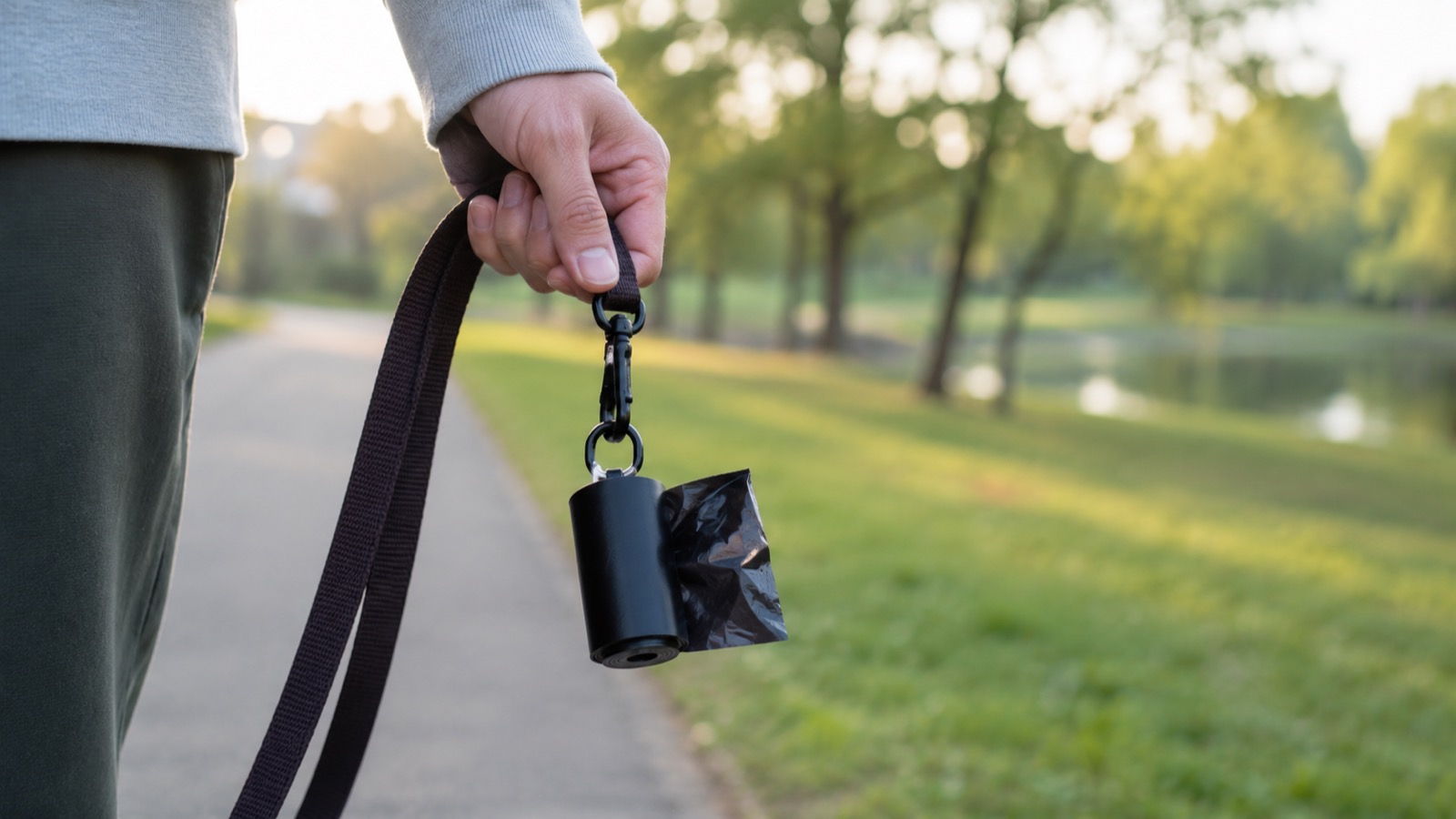
Strategically placed pet waste stations are the backbone of any commercial program. Residents are far more likely to comply when bags and bins are within easy reach.
Stock stations with a durable heavy duty bags supply so they never run empty, which is the number-one reason residents skip pickup. For staff and grounds crews handling communal areas, a professional-grade Arm and Hammer Pooper Scooper makes large-area cleanup fast and hygienic.
- Place stations near unit clusters and walking routes.
- Keep bag dispensers stocked at all times.
- Use sealed, lidded bins emptied on a set schedule.
- Post clear, friendly signage with policy reminders.
- Log restock and cleaning for accountability.
Station Placement and Frequency
| Property Type | Stations Needed | Cleanup Frequency |
|---|---|---|
| Small complex (<50 units) | 2–3 | Weekly grounds sweep |
| Mid-size (50–150 units) | 4–6 | Twice weekly |
| Large community (150+) | 7+ | Daily / service contract |
| Public dog park | Multiple entrances | Daily |
Choosing the Right Signage and Messaging
Signage shapes behavior more than managers realize. Blunt, punitive signs breed resentment, while friendly, specific reminders paired with convenient bags actually improve compliance. Tone matters.
The best commercial signage does three things: it states the expectation clearly, points to the nearest bag station, and reminds residents of the shared community benefit. A sign that reads like a partnership outperforms one that reads like a threat.
Position signs at decision points, where residents pause with their dogs, not tucked away where no one looks. Entrances, station locations, and grassy common areas are the highest-impact spots for a gentle nudge toward doing the right thing.
Budgeting for a Commercial Program
A pet waste program is a line item worth planning for, and it pays for itself in reduced complaints, preserved landscaping, and lower liability. Build the budget around three components.
- Infrastructure: stations, dispensers, and bins, plus periodic replacement.
- Consumables: an ongoing supply of bags to keep dispensers full.
- Labor: either staff hours or a professional service contract.
Understocking the bag supply is the most common and costly mistake. When dispensers run empty, compliance collapses and the grounds suffer, undoing the entire investment. Treat bag restocking as non-negotiable, scheduled maintenance.
Enforcement, DNA Testing, and Policy
Many communities now use pet DNA registration to match uncollected waste to specific units, making enforcement fair and effective. Pair technology with a clear lease addendum outlining fines for violations.
Consistency matters more than severity. Residents respect a policy that is applied evenly and paired with genuinely convenient cleanup infrastructure.
Handling Common Grounds and Landscaping
Uncollected waste does quiet, expensive damage to commercial landscaping. Concentrated nitrogen burns turf into unsightly brown patches, and the cost of reseeding and repairing common areas adds up fast across a large property.
Protecting the grounds means combining resident compliance with routine crew sweeps. Where dogs congregate, rotate irrigation and consider hardier ground cover or gravel dog-run zones that shrug off heavy use better than delicate lawn.
Curb appeal is directly tied to occupancy and rents. Prospective residents notice a clean, green community immediately, and they notice waste and dead grass just as fast, which makes grounds maintenance a bottom-line issue, not a cosmetic one.
Measuring Program Success
What gets measured gets managed. Track a few simple metrics so you can prove the program works and spot problems before they escalate.
- Log resident complaints related to pet waste month over month.
- Note bag-restock frequency to gauge station usage.
- Document any landscaping repairs tied to waste damage.
- Survey residents periodically about grounds cleanliness.
A downward trend in complaints and landscaping costs is the clearest sign your investment is paying off. Sharing those wins with ownership also makes it easy to justify the modest ongoing budget the program requires.
Health, Liability, and Runoff Concerns
Commercial waste accumulation is a public-health and environmental issue. The U.S. Environmental Protection Agency identifies pet waste as a documented source of stormwater bacterial pollution; see the EPA’s sources and solutions overview. On commercial grounds with more dogs and more runoff, that risk multiplies.
For most properties, contracting professional removal is the cleanest solution. Partnering with quality service providers guarantees scheduled, thorough cleanup without burdening in-house staff.
Frequently Asked Questions
How many pet waste stations does a property need?
As a rule of thumb, one station per 30 to 40 units, placed near clusters and along walking routes. Larger communities and dog parks need more, positioned at every entrance.
Does DNA testing for dog waste actually work?
Yes. Residents register their dog’s DNA, and uncollected waste can be matched to the responsible unit. It has proven effective at improving compliance in many communities.
Should property managers hire a waste service or use staff?
Small properties can manage with staff sweeps, but mid-size and large communities usually benefit from a professional contract that guarantees consistent, liability-reducing cleanup.
What is the liability risk of uncollected waste?
Accumulated waste creates slip hazards, health-code concerns, and stormwater pollution exposure. Managers who neglect it risk complaints, fines, and tenant turnover.
Onboarding New Pet-Owning Residents
The best time to set expectations is at move-in. When a new pet-owning resident signs the lease, walk them through the waste policy, show them the nearest station, and hand over a welcome kit with a few bags. First impressions shape long-term habits.
A friendly onboarding conversation does more than any warning sign later. Residents who feel informed and supported are far likelier to comply than those who only learn the rules through a fine notice weeks after moving in.
Include the policy and station map in your welcome packet so it is documented and easy to reference. Clear communication up front prevents the misunderstandings that sour tenant relationships and let waste problems take root across the community.
Protect Your Property and Residents
Commercial pet waste management is a manageable, budgetable task when you combine well-stocked stations, clear policy, and reliable cleanup in 2026. A clean community keeps residents happy and liability low. Ready to upgrade your property’s program? Equip your stations and crews with dependable supplies today.