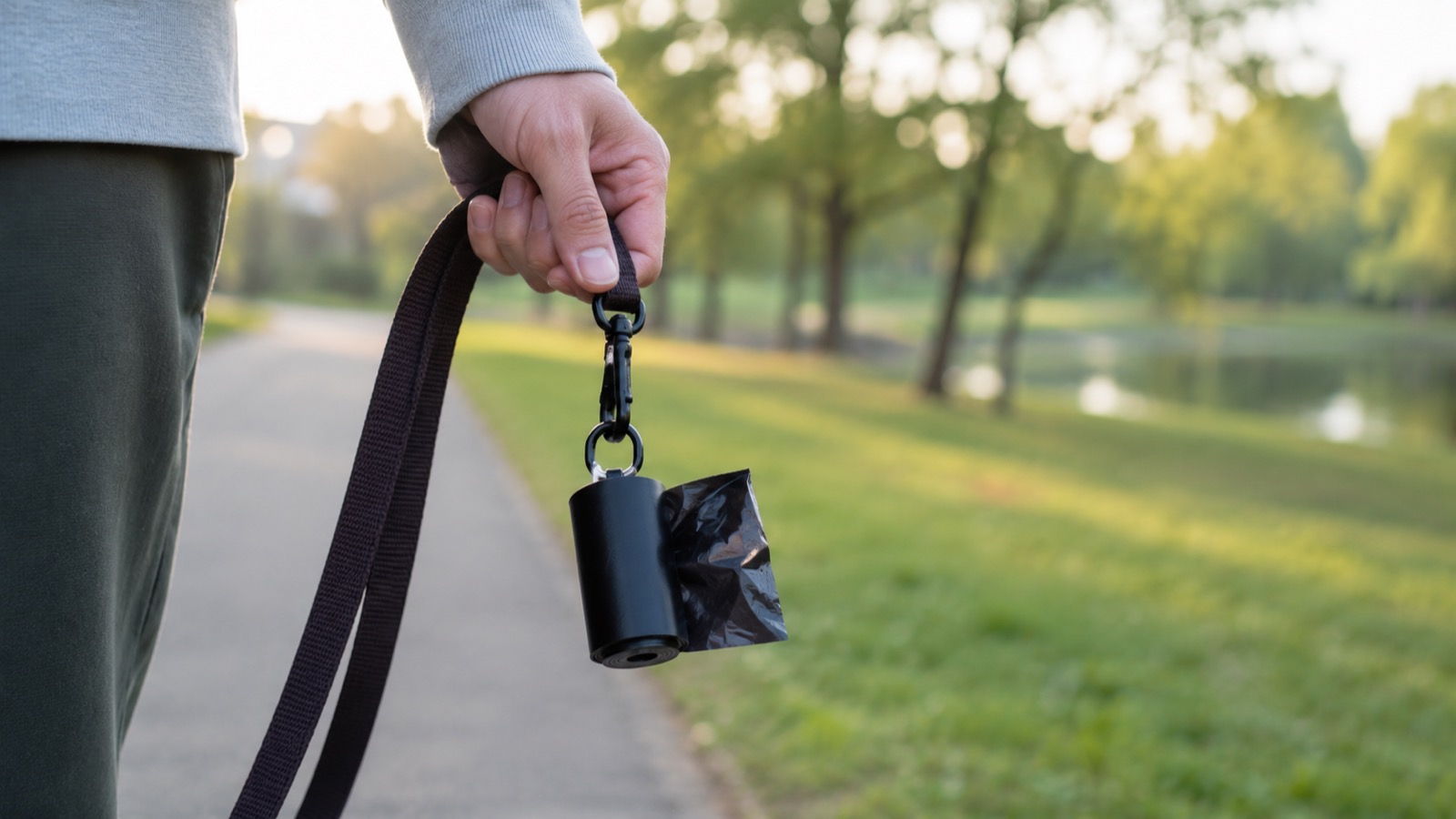

Heavy Duty Garbage Bags: The 2026 Dog Waste Buyer Showdown
When it comes to dog waste, the bag is the unsung hero, and choosing the wrong one turns a clean chore into a leaking disaster. This 2026 buyer showdown pits heavy duty garbage bags against thin economy liners, compostables, and scented rolls to settle which actually holds up under real garden and kennel loads. If you have ever had a bag split on the walk to the bin, this comparison is for you.
I tested five bag categories across a season of multi-dog cleanup. The differences in strength, seam quality, and odour control were larger than the price gaps suggested.
Why Heavy Duty Garbage Bags Win for Waste
The case for heavy duty garbage bags comes down to three measurements: mil thickness, seam construction, and puncture resistance. Dog waste is dense and often mixed with grit, sticks, and gravel that shred thin plastic. A thicker bag with welded seams simply refuses to fail where economy liners burst.
There is also a false economy at play. Cheap bags double-bag habits, so you use two or three per job, wiping out the savings while creating more plastic waste, not less.
Understanding Mil Thickness
“Mil” measures thickness in thousandths of an inch. Economy liners sit around 0.7 mil; a proper heavy-duty bag runs 1.5 to 3 mil. That difference is the line between a bag that stretches and one that tears when you knot it.
The Contenders Compared
Each bag type has a niche. The trick is matching the bag to the load, not buying one roll for everything. Here is how the field breaks down.
- Heavy-duty liners: Best for yard scoops, kennels, and multi-dog homes; hold sharp debris without tearing.
- Economy thin liners: Fine for a single small deposit on a short walk, useless for volume.
- Certified compostable: Green credentials, but weaker and only worthwhile with a composting endpoint.
- Scented rolls: Mask odour briefly, but scent is no substitute for a proper seal.
- Biodegradable everyday: A middle ground, though strength varies widely by brand.
For anything beyond a single small pickup, I reach for genuine heavy duty garbage bags because the welded seams survive the grit that shreds cheaper liners on a gravel yard.
Seam Types That Actually Hold
Star-sealed and gusseted bottoms distribute weight and resist splitting far better than flat side seams. When you compare rolls, flip the bag over: the bottom seam tells you more about durability than any front-of-pack claim.
How Do You Match a Bag to Your Cleanup Job?
Matching bag to task is the whole game. A single terrier on a pavement walk needs almost nothing; a kennel of large breeds needs maximum strength. Use the table to pick the right tool for your situation.
| Job | Recommended Bag | Thickness | Why |
|---|---|---|---|
| Small dog, short walk | Standard liner | ~0.7 mil | Light load, portability |
| Yard scoop, one dog | Mid-weight liner | ~1.2 mil | Handles grass and grit |
| Multi-dog or kennel | Heavy-duty liner | 2–3 mil | Volume + sharp debris |
| Composting route | Certified compostable | Varies | Breaks down in facility |
Bags work best paired with a proper tool. A Pooper Scooper metal loads the bag cleanly and keeps your hands clear, so the bag’s only job is containment, not catching.
Storage and Disposal Best Practices
Even the best bag fails if you store or dispose of it poorly. Follow this sequence to get the full value from a heavy-duty roll.
- Keep the roll dry; damp cardboard cores make bags stick and tear.
- Load waste toward the sealed bottom, not the open mouth.
- Squeeze out air before knotting to reduce bulk and burst pressure.
- Double-knot the neck for a genuine leak-proof seal.
- Bin promptly; do not let filled bags bake in the sun.
Proper disposal also protects the environment. The U.S. Environmental Protection Agency encourages reducing overall bag use, so choosing one strong bag that does the job beats reaching for three flimsy ones that end up in the same landfill anyway.
The Multi-Dog Household Reality
If you clean up after three or more dogs, buy in bulk and standardise on one heavy-duty size. Consistency means you always know how much a bag holds and never get caught mid-job with the wrong roll.
The Cost-Per-Job Math Nobody Calculates
Shoppers compare sticker prices, but the number that actually matters is cost per completed job. A cheap roll looks like a bargain until you count how many liners you burn double-bagging to stop leaks. Suddenly the “expensive” heavy-duty roll is the frugal choice.
Run the numbers on your own household. If you double-bag a yard scoop with two thin liners, a single heavy-duty bag that does the same job for less than the cost of two liners wins outright, and it fails less often, saving you the re-clean. Over a year, that difference is real money and far less plastic in the bin.
When Cheap Bags Genuinely Make Sense
To be fair, thin liners have their place. For a single small deposit on a short pavement walk, a lightweight bag is perfectly adequate and easier to carry. The mistake is using those same flimsy bags for dense yard or kennel loads they were never designed to hold.
Reading the Label Beyond the Marketing
Front-of-pack words like “strong” and “tough” mean nothing without a mil rating or a seam description. Flip the box, find the thickness in mils, check the seam type, and ignore the adjectives. The specification, not the slogan, tells you whether a bag will survive your load.
Frequently Asked Questions
What thickness of garbage bag is best for dog waste?
For yard and kennel cleanup, choose 1.5 to 3 mil heavy-duty bags. They resist punctures from grit and sticks and hold their seal when knotted, unlike sub-1 mil economy liners.
Are heavy duty garbage bags worth the extra cost?
Yes. Because they rarely tear, you use one bag instead of double-bagging with cheap liners, so you spend less overall and create less plastic waste in the process.
Can I use compostable bags for heavy loads?
Only cautiously. Compostable bags are generally weaker, so reserve them for lighter loads and use them when you have a genuine composting endpoint. For dense multi-dog waste, heavy-duty liners are safer.
How do I stop bags from leaking?
Load waste toward the sealed bottom, push out excess air, and double-knot the neck. Choosing a star-sealed or gusseted bottom also dramatically reduces the chance of a split.
The Verdict
In this showdown, heavy duty garbage bags take the crown for anything beyond a single small pickup: stronger seams, real puncture resistance, and lower cost per job than double-bagging cheap liners. Match thickness to your load, store the roll dry, and knot it properly, and leaks become a memory. And when a home move piles on the boxes and bags, count on reliable local experts to handle the haul while you keep your cleanup routine rock-solid.